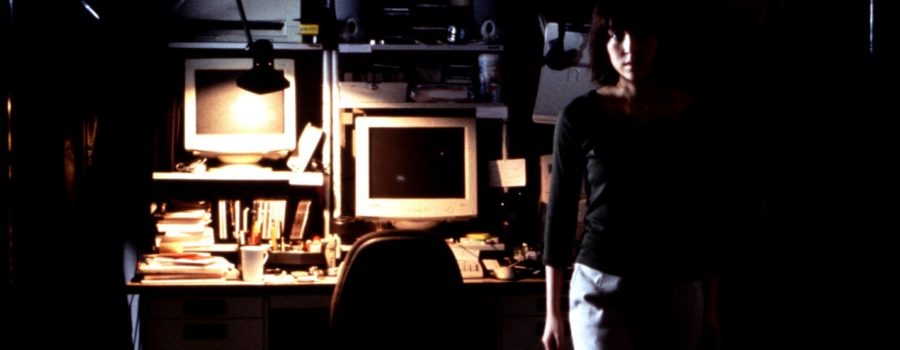
My Short Bestselling Memoir about the Japanese Animated Film Vampire Hunter D
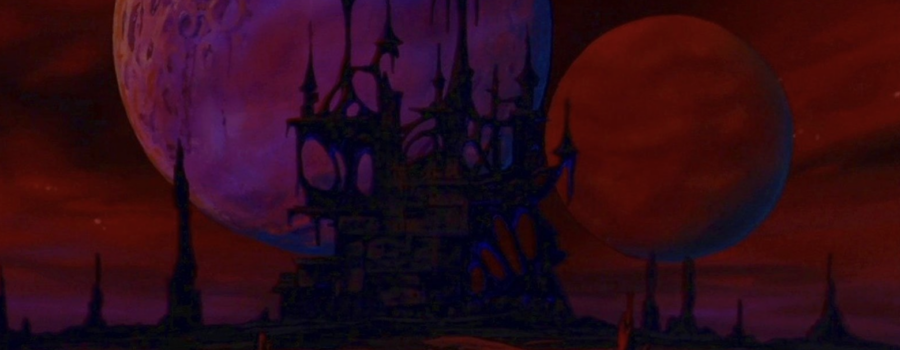
|MH Rowe| A lot of art seems gruesome and tasteless when you’re twelve or thirteen years old. It repels and attracts you for exactly that reason. Later, when you’ve reached maturity or thereabouts and are better equipped with the faculty of judgement, you may have a… Continue reading
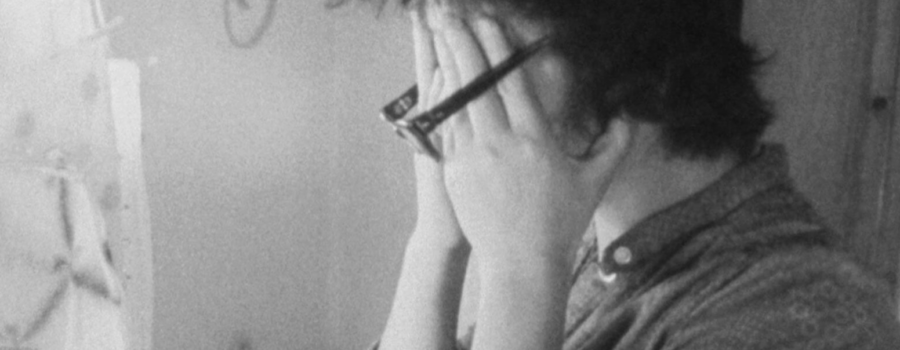
Okinawa, Baby: Exploration, Exes, & Extreme Private Eros

|Chelli Riddough| When my ex-boyfriend Chris and I were splitting up, we had a breakup photo shoot. Our friend Zoey came over and took a series of photographs of us in the living room: hugging, holding the cat, sitting side by side. At the time, my close friends… Continue reading

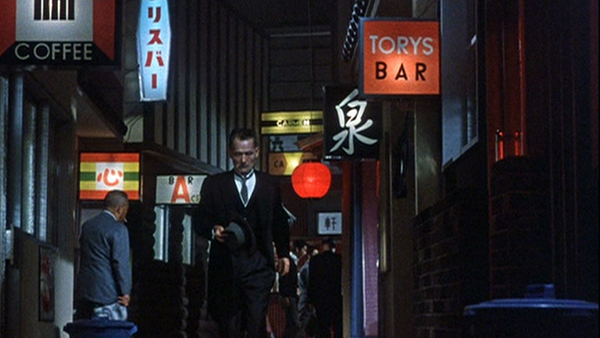
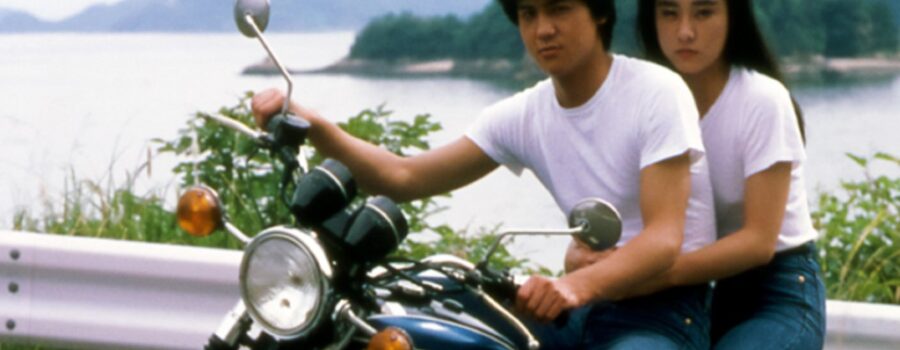
Memories of Summer

|Harry Mackin| Spoilers for His Motorbike, Her Island—watch the movie before you read this! We meet several different versions of His Motorbike, Her Island’s protagonist, Koh. First, we meet Koh the narrator. This Koh begins his narration immediately following the opening images of the film, when an appropriately… Continue reading

Spirits of Light, or: Theatrical Lighting in Movies Makes Me Happy

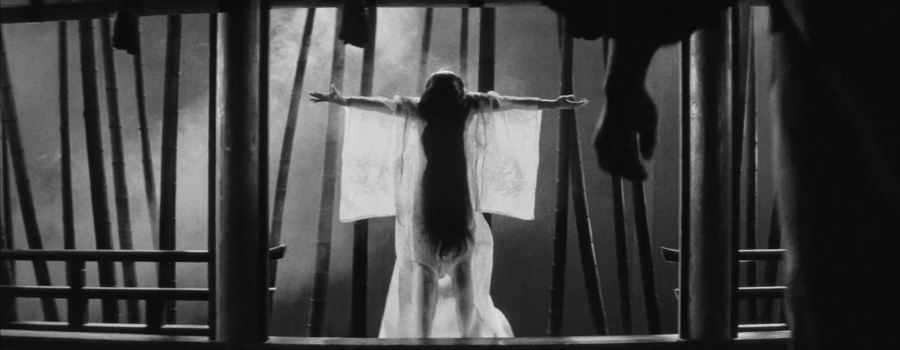
Center, a woman stands, arms outstretched to her sides, in a translucent kimono. Right, a man’s hand lurks in silhouette.

|Zach Staads| I’ve used this quote at the top with almost no context for where it comes from or what it means. I’m not even checking to see if the person who quoted this is correct, and that this is something Kurt Vonnegut said or wrote. I quote it to illustrate how… Continue reading

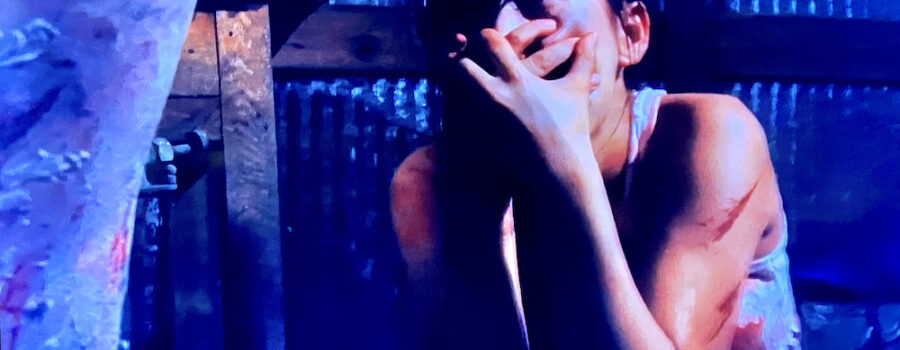
The Grotesque, Memorable Brilliance of Fires on the Plain

|Ryan Sanderson| Fires on the Plain begins with a literal slap to the face. Cruel, jarring, and just a little bit funny. That’s the energy Kon Ichikawa maintains throughout his bleak and disturbing masterpiece which feels like a cross between Apocalypse Now and Bambi. If a film before 1960 captured Continue reading

Solar Citalopram: Beau Travail, Ken, and Burning Isolation

|Finn Odum| Author’s note: This essay contains discussions of fictional suicide and real-life suicidal ideation. I. Citalopram On a relatively warm Monday evening last September, while on a short walk to see Kenji Misumi’s Ken at the Trylon, I found myself struggling to cross the street… Continue reading

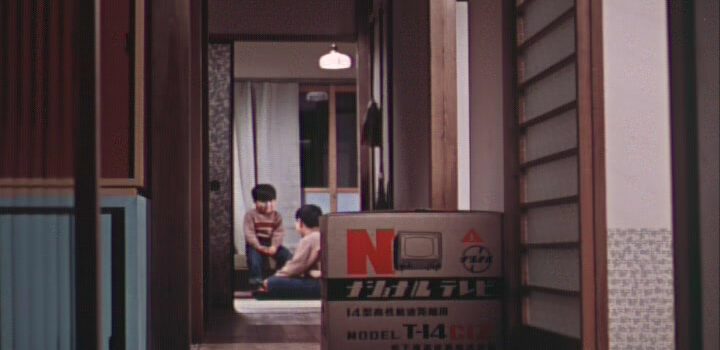
TV Time

|Nate Logsdon| Wim Wenders couldn’t find reality anywhere. In the Spring of 1983, he had traveled to Tokyo to mark the 20th anniversary of Yasujirō Ozu’s death. He was seeking the Japanese world that appeared so luminously in the films of that great director, whose body of work… Continue reading

TraditionVision: Ozu’s Exploration of the Multi-Generational Adjustment to TV

|Dan Howard| In this day in age, television is just as common and almost essential to our daily lives as food or nature. Sometimes, it feels like it’s just always been around, but in fact, the first concept of what would ultimately become television, Facsimile Transmissions, was introduced… Continue reading

Kenji Misumi: Both Lone Wolf and the Cub

|John Moret| The samurai film is, in essence, a very conservative genre in the same realm as the western or horror film. Before you freak out, I don’t mean conservative in terms of politics (though, really…) but in form. The conventional film would witness a ronin finding his honor after losing his way… Continue reading

Street Fighting Man: Samurai Reincarnation Star Sonny Chiba Was a Kinji Fukasaku Favorite

|Hannah Baxter| Kinji Fukasaku and Shinichi “Sonny” Chiba, who stars in Samurai Reincarnation (1981), collaborated regularly throughout Fukasaku’s 40-year, genre-straddling directorial career. Chiba appeared in nearly a third of Fukasaku’s output, including the first four movies… Continue reading

Branded to Kill: The Graceful Aging of Disarray 

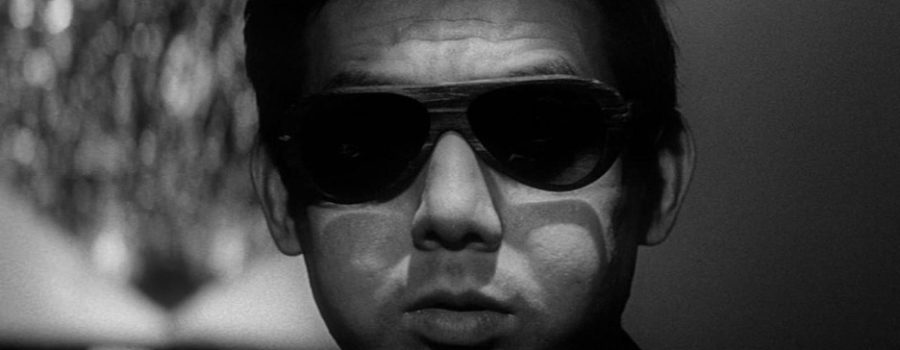
A black and white image of an adult man with dark hair wearing sunglasses

|Yuval Klein| With action, slapstick, deadpan machismo, a jazzy soundtrack, and avant-garde edits, the tone of Branded to Kill is set in an extensive and superbly shot shootout scene, in which our protagonist, a “highly ranked” assassin named Gorô, is ambushed. With him, an anxious and formerly ranked acquaintance… Continue reading

Quenched by Camp: Bandits vs Samurai Squadron is a Bloody Treat

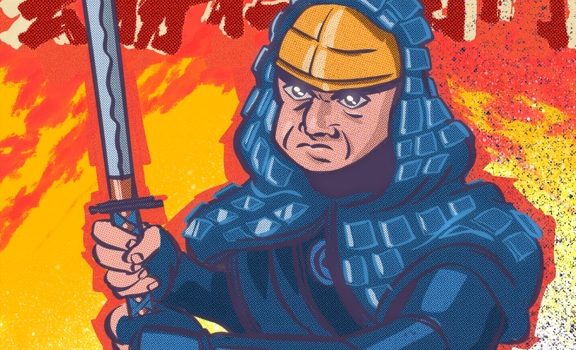
Pop illustration of Tatsuya Nakadai as Kumokiri Nizaemon in black robes with bloody katana on a yellow background. Japanese characters behind Tatsuya in red read: Bandits vs Samurai Squadron. Illustration by author Jake Rudegeair.

|Jake Rudegeair| A lot has been written about camp, especially when it comes to film. It’s one of those delicious words that we all seem to understand, but gets so warped by bumps and nodules of meaning that its definition keeps changing. Maybe it’s like that old subjective definition… Continue reading

Gosha Channels Kurosawa: Three Outlaw Samurai

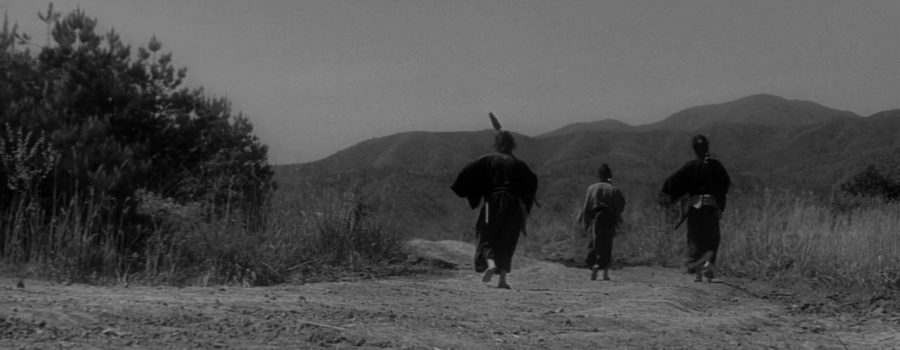
Shot of the three samurai walking into the distance down a dirt road

|Dan Howard| Looking at the history of cinema, I gravitate the most toward the works produced in the golden age of Japanese cinema during the ‘50s and ‘60s. Although I’m not overly fond of Westerns, a lot of samurai films have been heavily influenced by them. Even Akira Kurosawa took… Continue reading

Programmer’s Notes on Hideo Gosha, Wandering Ronin

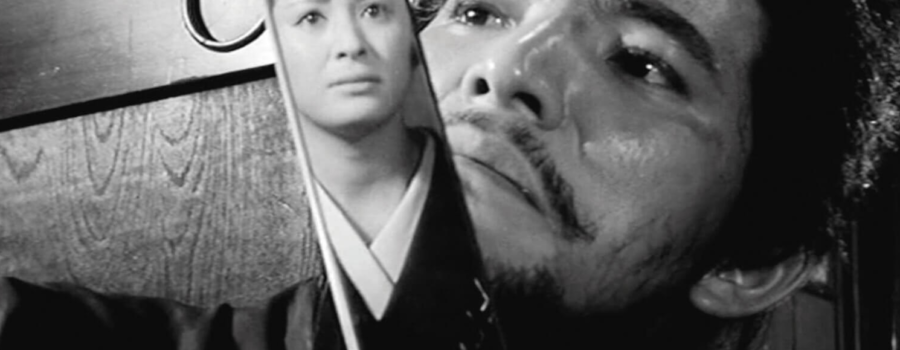
The image is black and white. A man lays back against a wooden wall and is holding a sword in front of him. Reflected in the sword is the face of a woman.

|John Moret| Ronin, noun, historical (in feudal Japan): a wandering samurai who had no lord or master.

On a wintry day in 2012, a friend and I met for our weekly movie and lunch meetup. It was his choice that week and he brought a new release from the Criterion Collection, Three Outlaw Continue reading