An Insolent Heart Hath Damned Thee: Original Sin at Miller’s Crossing

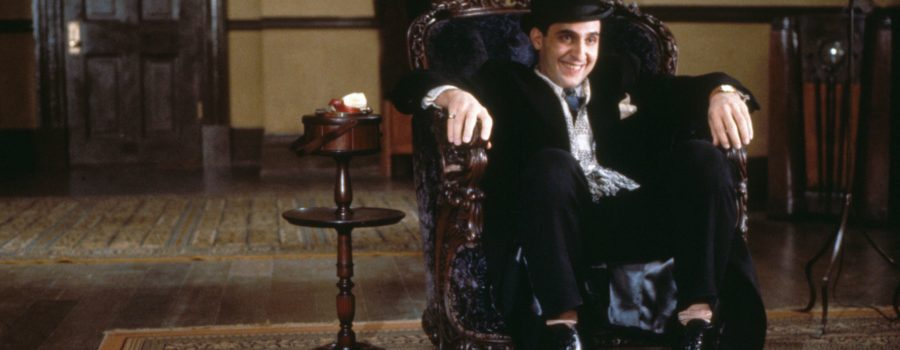
John Turturro as Bernie Bernbaum, a light-skinned, ark hair man in a dark suit and light shirt sitting in an ornamental armchair in a large room. Bernie is smiling at his conversation partner, who is not depicted in the shot

|Kevin Obsatz| I have a confession to make. I don’t know that I’ve ever “liked” a Coen Brothers movie on the first viewing. Possibly Raising Arizona—but I was probably only half paying attention to that one, as an eight or nine-year-old, on VHS. I doubt my parents would… Continue reading

Uneasy Lies the Head that Wears the Hat

Theatrical poster of Coen Brothers’ film “Miller’s Crossing.”

|Lucas Hardwick| I’m a bald guy, so when the temperatures drop and there’s a perpetual nip in the air, I often find the top of my head gets a little uncomfortably cool. While confined to the contentment of my own home, where the dress code is free of the hassle of coordination and everyone is at liberty… Continue reading

Do You Hear What I Hear?: The Salacious Self-Flagellation of Brian De Palma’s Blow Out

Medium close-up of a ponderous John Travolta (as soundman Jack Terry) in a maroon collared shirt leaning over with a cigarette in his right hand in the foreground, thumb pressed against the forehead. In the background are film reels and various editing equipment.

|Chris Polley| A man takes a photograph, inspiring another to write a story, inspiring another to make a film, inspiring another to…make another film. This is how it works now, losing the magic and mystery of folktales passed down generation upon generation via oral storytelling but gaining the benefits of … Continue reading

Paranoia, Failure, and Female Representation: Brian De Palma’s Blow Out

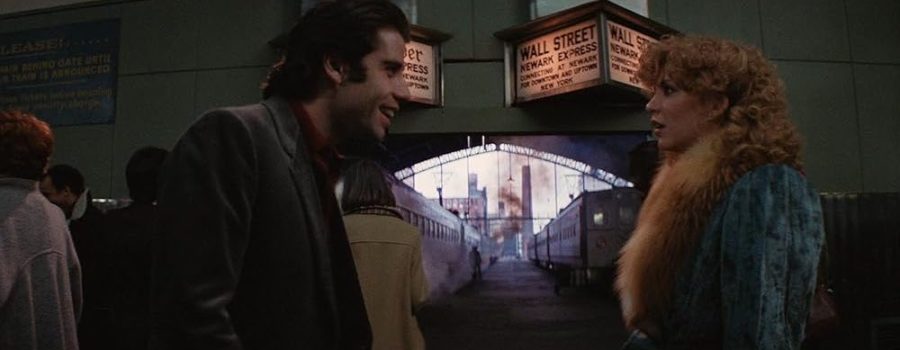
Jack, a young light-skinned man with dark hair, and Sally, a young woman with blonde curly hair, are standing on a train starting platform facing each other, with side characters and trains in the background.

|Penny Folger| “There was no bigger disaster than Blow Out,” reminisces director Brian De Palma on the reception his film received when it was originally released in 1981. It’s a film that, 43 years later, is held in much higher esteem, even cited by Quentin Tarantino as… Continue reading

A Whale of a Tale: Béla Tarr’s Werckmeister Harmonies

A slow walk through the small town.

|Luke Mosher| Béla Tarr’s slow cinema masterpiece Werckmeister Harmonies (2000) is a bleak and beautiful experience. It is exactly the kind of film that repertory theaters like Trylon were designed for. During the nearly 2.5 hour run time, you can’t check your phone or get distracted by your dog; you must sit in the theater and reckon with it… Continue reading

Dearest Chinatown: The Intensity of Faye Dunaway

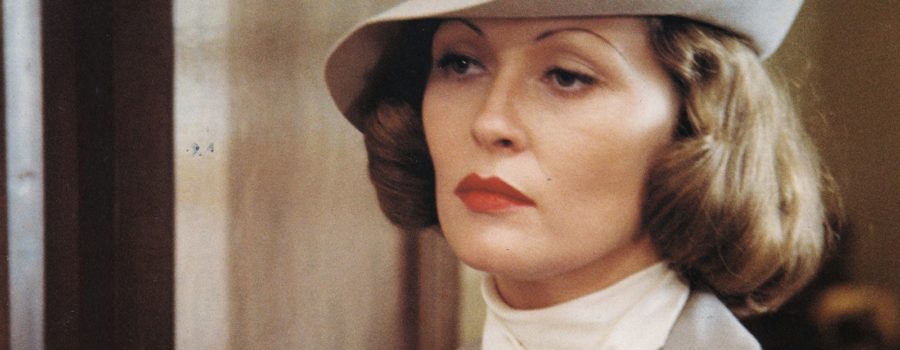
Faye Dunaway in character as Evelyn Mulwray in Chinatown. Evelyn is a light-skinned woman with curly chin-long hair and thin eyebrows. She looks into the distance unimpressed, wearing a grey dress suit and hat.

|John Blair| At 6:14 am on February 27, 2006, Faye Dunaway called the producer of a documentary on her life. When the call went to voicemail, Dunaway started immediately on a breathless two-minute monologue, touching on everything from her personal relationships to her disappointment in how her current films were sold… Continue reading

Infinite Jake

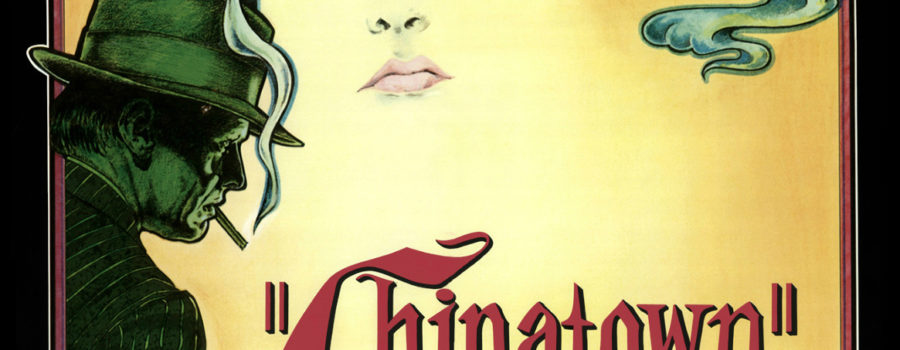
Poster for Chinatown, showing a feminine face emerging from an ornamental cloud of smoke coming from a man's cigar. The letters "Chinatown" are prominently features in red against a pale yellow background at the bottom of the image

|Abbie Phelps| Los Angeles, California, 1922. Evelyn Cross is fifteen years old. Noah Cross, her father, has yet to recover from the death of his wife. In her absence, his grief has come close to consuming him. Evelyn, his daughter, makes his meals and lays his clothes out for him in the morning…. Continue reading

Branded to Kill: The Graceful Aging of Disarray 

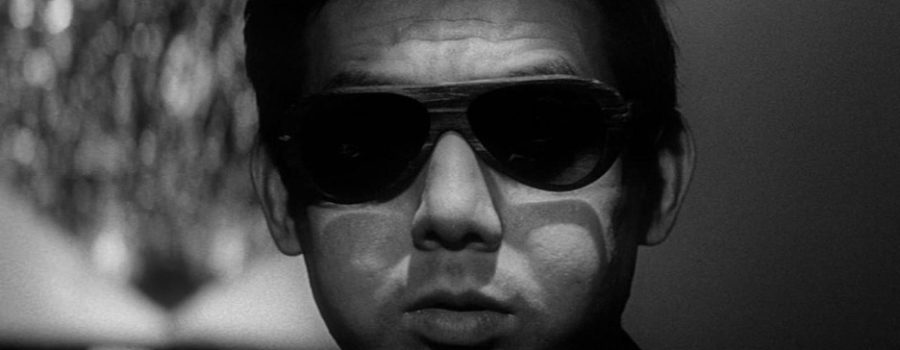
A black and white image of an adult man with dark hair wearing sunglasses

|Yuval Klein| With action, slapstick, deadpan machismo, a jazzy soundtrack, and avant-garde edits, the tone of Branded to Kill is set in an extensive and superbly shot shootout scene, in which our protagonist, a “highly ranked” assassin named Gorô, is ambushed. With him, an anxious and formerly ranked acquaintance… Continue reading

Meet Sydney: On Paul Thomas Anderson’s Hard Eight (1996)

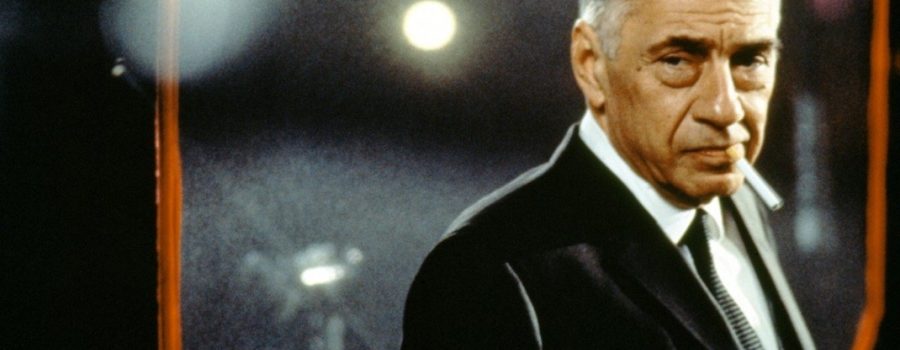
Philip Baker Hall with cigarette dangling from his mouth

|MH Rowe| Some films are short stories; others are novels. The difference is not a question of length or running time, for even a novel can have the soul of a short story, while a short story can be a novel in miniature. A novel must possess, as an essential characteristic… Continue reading

I Lived It: The Joy of Pee-wee’s Big Adventure

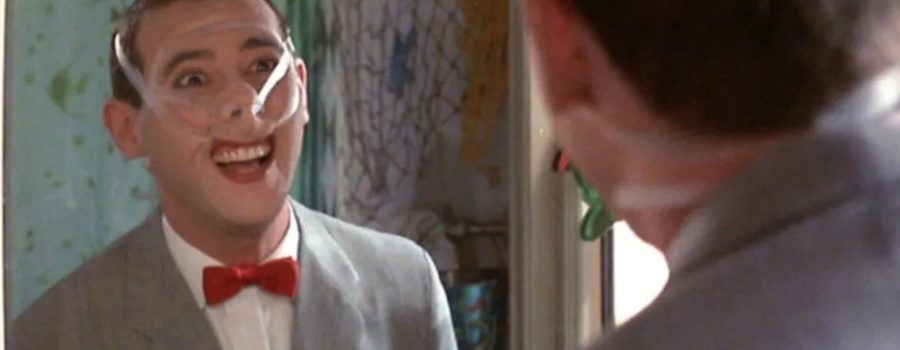
Paul Reubens as Pee Wee, a light-skinned man with short, light brown hair. He is shown from the back looking at himself in the mirror of a bathroom, wearing a face contraption the lifts his nose tip an upper lip.

|Alex Kies| Pee-wee’s Big Adventure plays at the Trylon Cinema from Thursday, January 11th, through Sunday, January 14th. Visit trylon.org for tickets and more information. I went to college with a guy who, among other eccentricities, would periodically dress up as Pee-wee Herman and go through his whole day, classes,… Continue reading

If Women Talked About Pride and Prejudice the Way Men Talk About Blade Runner

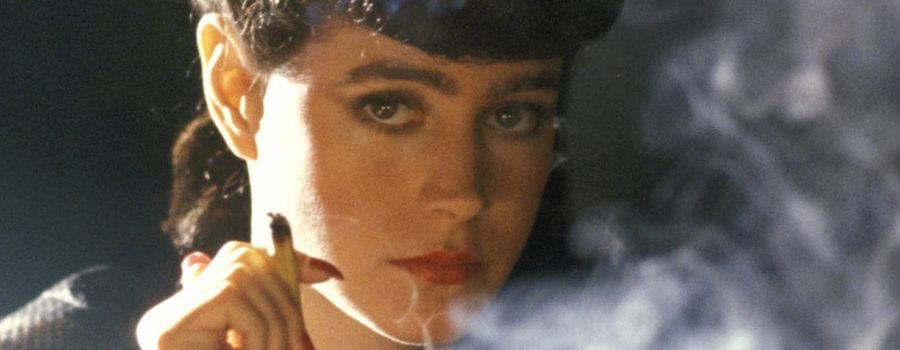
Sean Young as Rachael, a light-skinned woman with dark, made-up hair, wearing bright-red lipstick and nail polish, is encircled in a cloud of smoke from the cigarette she holds in her fingers while gazing into the camera.

|Veda Lawrence| Our unsuspecting man will be minding his own business, drinking a lackluster old fashioned at the bar, reading a book, likely taking a day off of his more literary endeavors and winding down with some fluff, perhaps Do Androids Dream of Electric Sheep? or some other light, beachy read. Just then, his peace will be disturbed… Continue reading

Twice Quit—Blade Runner and the Reluctant Noir Protagonist

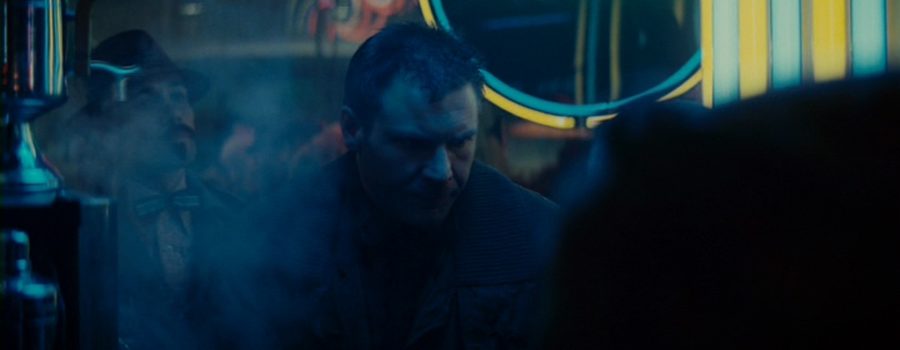
Deckard is sitting at a noodle restaurant, facing us, with his eyes turned downward. Behind him, Edward James Olmos’ Gaff stands menacingly.

|Timothy Zila| There’s a knock on the door or a ringing phone or, quite often, a stranger waiting in the detective’s office. The noir protagonist doesn’t seek trouble out; trouble seeks him. So it goes in Chinatown and The Maltese Falcon. And so it goes, too, in Blade Runner. When we meet Deckard… Continue reading

Things You Shouldn’t Understand, Things You Couldn’t Understand: A Love Letter to the Cast of Pee-wee’s Big Adventure 

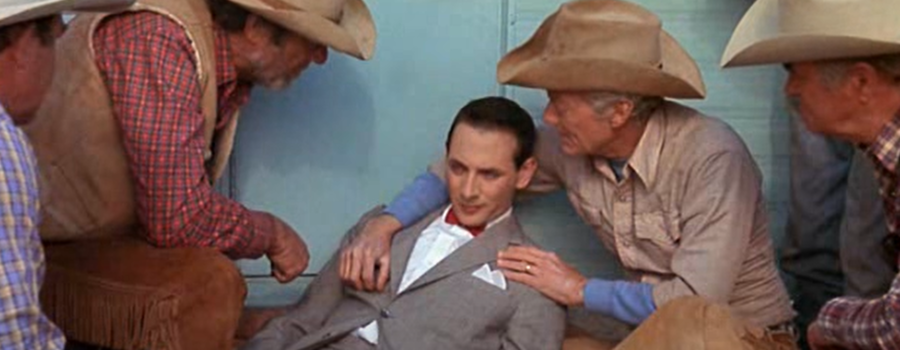
Pee Wee is laying down surrounded by cowboys

|Sophie Durbin| What movie has the finest ensemble cast of the 1980s? Hannah and her Sisters? The Color Purple? The Breakfast Club? The Untouchables? Come Back to the Five and Dime, Jimmy Dean, Jimmy Dean if you’re feeling obscure? Nope! It’s Pee Wee’s Big Adventure. I could write… Continue reading

Winter Kills: If You’re Not Paranoid, You’re Not Paying Attention

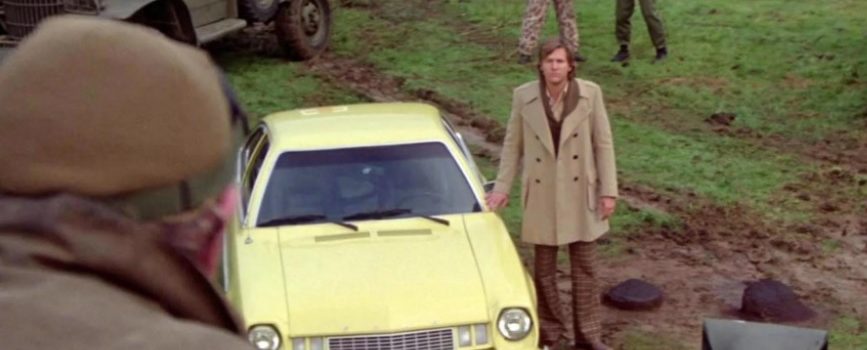
Nick gets mixed up in a paramilitary exercise

|Bob Aulert| The 1970s film industry was rife with paranoia, as films like The Parallax View (1974), The Conversation(1974), Three Days of the Condor (1975), and All The President’s Men (1976) played to eager audiences shocked by the revelations of Watergate and quite ready… Continue reading

A Farewell to Horses

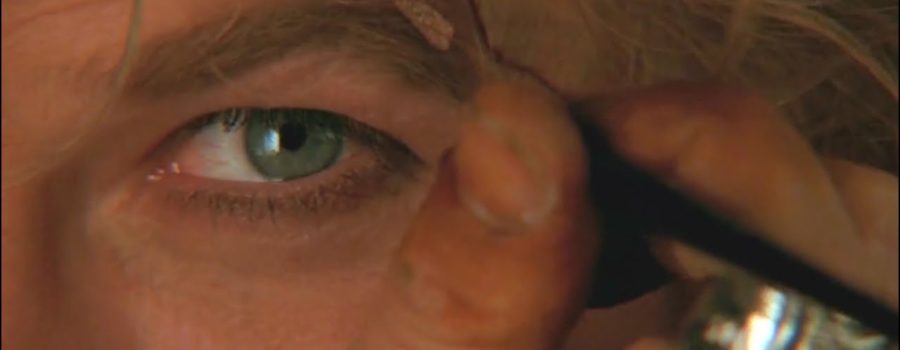
An extreme closeup of the face of Buffalo Bill (played by Ted Levine), focused on his eye as he applies makeup to his eyebrow. Just to the side of the frame, the flaking edges of a woman's scalp that he's wearing are visible.

|Natalie Marlin| Hearing it solely on its own terms, “Goodbye Horses” is an achingly beautiful song. Q Lazzarus’ voice quavers but never loses its assuredness. She makes the most of her low resonance, embracing her voice’s androgynous qualities. William Garvey’s gorgeously cryptic lyricism is just as crucial to the song’s mystique… Continue reading

From Sundance to Box Office Gold: The Story of The Blair Witch Project

The iconic close up confessional of the doomed filmmaker

|Kevin Maher| The pitch for The Blair Witch Project, the 1999 summer box office phenomenon and viral marketing sensation, is as simple as the finished movie actually turned out to be. “Student filmmakers go into the woods to make a documentary, disappear, and their footage is found,” certainly relays the basic tenants of the story… Continue reading

Horror without Borders: My Blair Witch Project

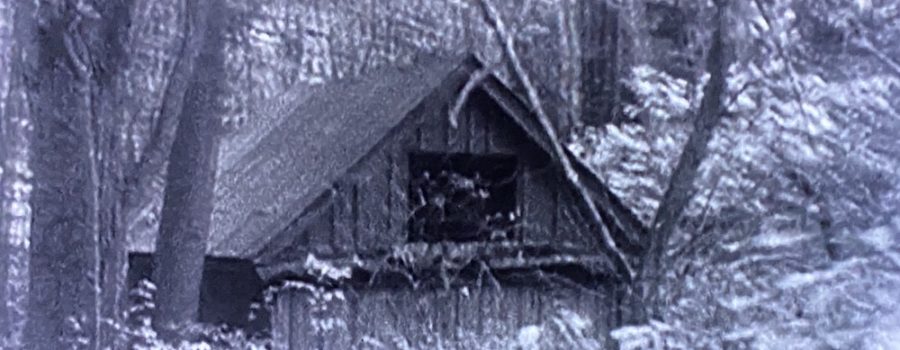
A dilapidated cabin stands alone in the woods.

|Chris Ryba-Tures| Somewhere between Planet Hollywood and Hooters, on the top floor of the Mall of America, I was stopped dead in my tracks. It was 1998. I was seventeen, sporting a bleach-blonde Eminem haircut, a brand-new Marilyn Manson “Antichrist Superstar” ringer tee from Hot Topic, and black leather 8-hole Doc Marten’s that were finally getting that perfect mosh pit scuff… Continue reading

Double Exposures, Love, and Magic: Francis Ford Coppola’s Dracula

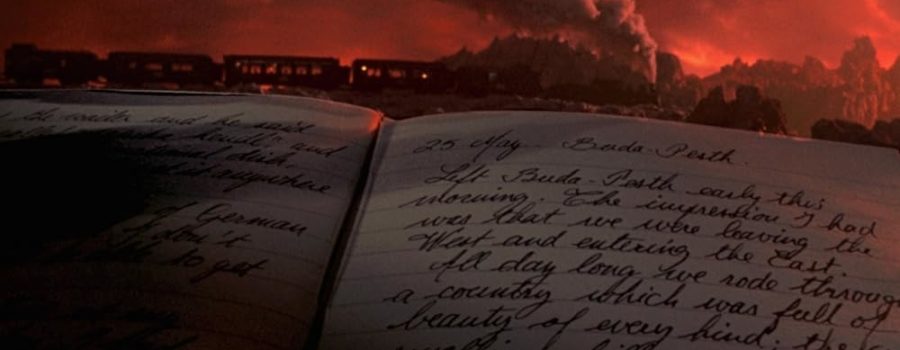
The Coppolas employed vintage effects to gorgeous ends: in this case model train + giant book

|Penny Folger| Bram Stoker’s Dracula, a novel that was originally published in 1897, was later adapted to film over 200 times. What led Francis Ford Coppola to make it again in 1992, on the heels of his Godfather III? The answer can be found in then 19-year-old Winona Ryder. After dropping out of Godfather III due to nervous exhaustion… Continue reading
Bram Stoker’s Dracula as the Center of the Universe: A Mini-Memoir of Cultural Consumption 

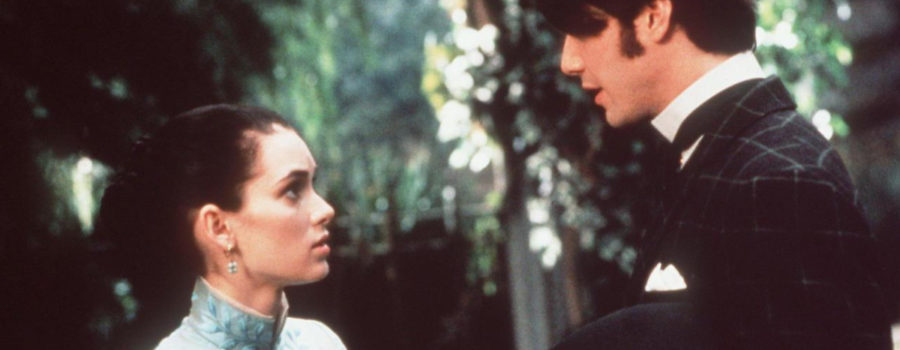
Mina Murray wears a high-collared light green floral dress and Jonathan Harker wears a dark plaid suit as they converse in a sunlit garden

|Hannah Baxter| It’s November 1992, and a new movie with Winona Ryder and Keanu Reeves has just come out. As someone born at the tail end of Gen X, that’s all you need to know. You’ve never heard of Francis Ford Coppola or the male lead, someone unmemorably named Gary Oldman. You have, however, watched Heathers, Edward Scissorhands, … Continue reading
Aggressive Adaptation: Francis Ford Coppola’s Visionary Madness in Bram Stoker’s Dracula

A menacing Gary Oldman as Count Dracula, wrinkled and pale, with his white and coiffed beehive hairdo, licks his razorblade to the right of the frame while shrouded in blackness.

|Chris Polley| Besides both of us being complete dorks, the venerable, legendary auteur Francis Ford Coppola (of Godfather and Apocalypse Now fame) and I have exactly one thing in common: We both forced a group of people to sit down and read Bram Stoker’s iconic gothic novel Dracula out loud together… Continue reading

Golden Eggs Flying Through Space: The Horrific Dream Logic at the Heart of The Vanishing

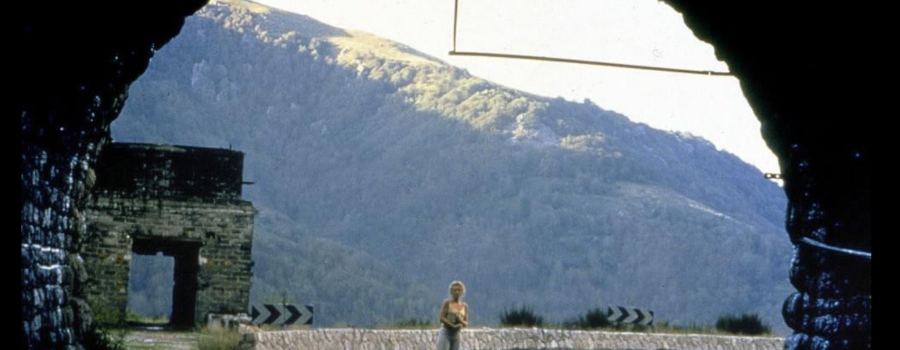
Saskia stands outside of a highway tunnel with a green mountain in the distance.

|Sophie Durbin| My first encounter with George Sluizer’s The Vanishing was on a lazy evening in February of 2023. The Criterion Channel description promised a “truly unsettling” ending, which drew me in since I love being upset by fictional peoples’ problems… Continue reading
Gothic, Dull and Sharp: George Sluizer’s The Vanishing

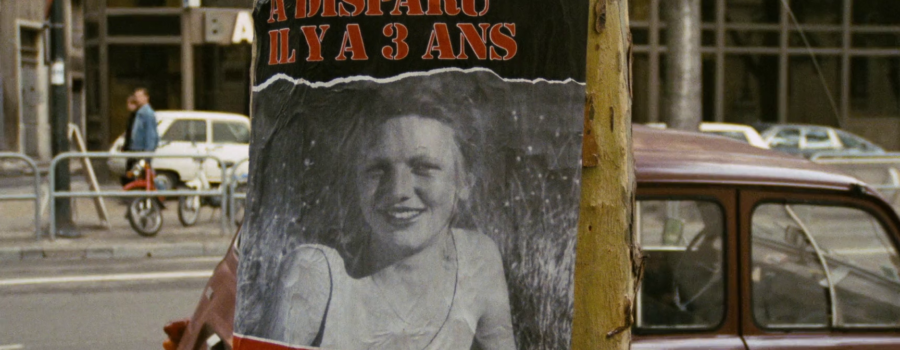
A close-up image of a missing person poster showing a black-and-white image of Saskia. The poster is glued to a tree on a city street

|MH Rowe| You might say The Vanishing (1988) tells the tale of two creepy men. One is a fretful, controlling boyfriend, the other a methodical murderer. With a different emphasis, the director George Sluizer might have smoothed out the boyfriend and signaled to the audience that we aren’t supposed to understand Rex Hofman (Gene Bervoets) as a creep… Continue reading
For The Love of Small-Town Community Theater

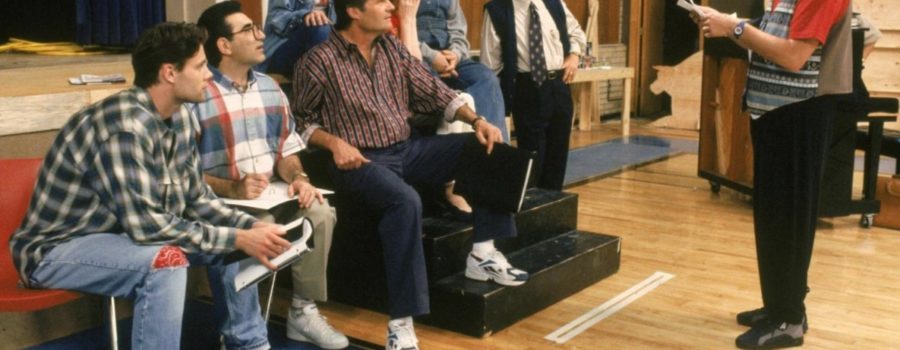
The cast of Red, White and Blaine sit and listen to director Corky St. Clair

| Lucas Vonasek | Nothing ever happens in small towns. If you’ve never lived in one, it’s difficult to imagine what they can offer that a city cannot, whether that is a burgeoning nightlife scene, diverse cuisine options, or that alluring energy that only a hip metropolis can offer. However… Continue reading

100 Nazi Scalps: Tarantino’s Violent Art of Rewriting History with Inglourious Basterds

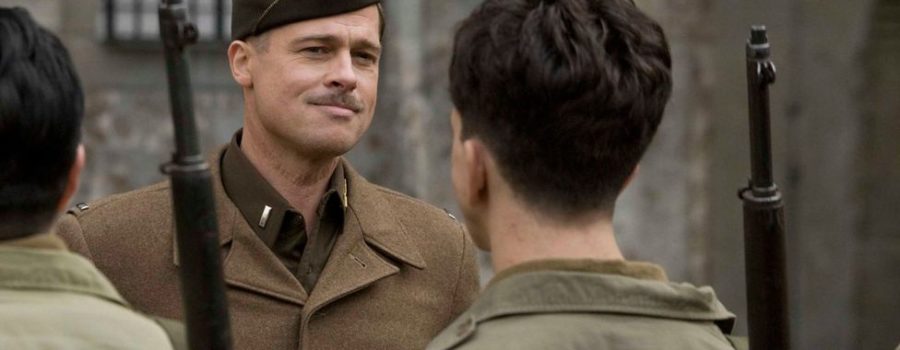
Lt. Aldo Raine addresses his soldiers.

| Dan Howard | Quentin Tarantino makes his despise for Hitler and the Nazi party well-known. The vast majority would agree. Over the last nearly 15 years, Tarantino made his own kind of historical revisionist cinema with Inglourious Basterds, Django Unchained, and Once Upon a Time in Hollywood. Continue reading